

BJJ Gi Vs. Judo Gi: Can You Wear One for Both?

Table of Contents
Stepping onto the mat for the first time, the gear question always comes up. A brand-new student walks in wearing a loose, heavy uniform from another sport. It happens all the time, especially with people who have trained in Judo before and want to try BJJ. The big question is: can that single uniform work for both sports?
Different martial arts need different tools. Each one has its own rules, techniques, and goals. The uniform, or gi, is built specifically for the needs of that sport. Continue reading this article to learn about the key differences between a BJJ gi and a Judo gi and find out if one uniform can truly do both jobs.
This guide will break down the weave, cut, and reinforcements of each type of gi. It will also look at how they compare to Sambo and Karate uniforms. By the end, the answer to the cross-training gear question will be clear.
Elite Sports, a world-class producer known for making durable, professional-grade BJJ equipment, offers some of the finest examples of what a modern BJJ gi should be. But before looking at specific products, it helps to understand the bigger picture.
1. Why the Uniform Matters More Than You Think

The gi is not just a piece of clothing. In grappling arts, it is a tool used for control, defense, and attack. The two main sports that use the gi are Brazilian Jiu-Jitsu (BJJ) and Judo. While they share a common history, they have developed in different directions. This has led to very different uniform needs.
The differences in competition rules have shaped how each gi is made. Understanding these differences is the first step to answering whether one gi can serve both purposes.
2. BJJ Gi vs. Judo Gi: A Head-to-Head Breakdown
BJJ and Judo gis may look similar at a glance, but they are built for different kinds of fights. Here is a detailed look at where they differ.
2.1 Fit and Cut: A Tale of Two Silhouettes

The most noticeable difference is how the gi fits on the body.
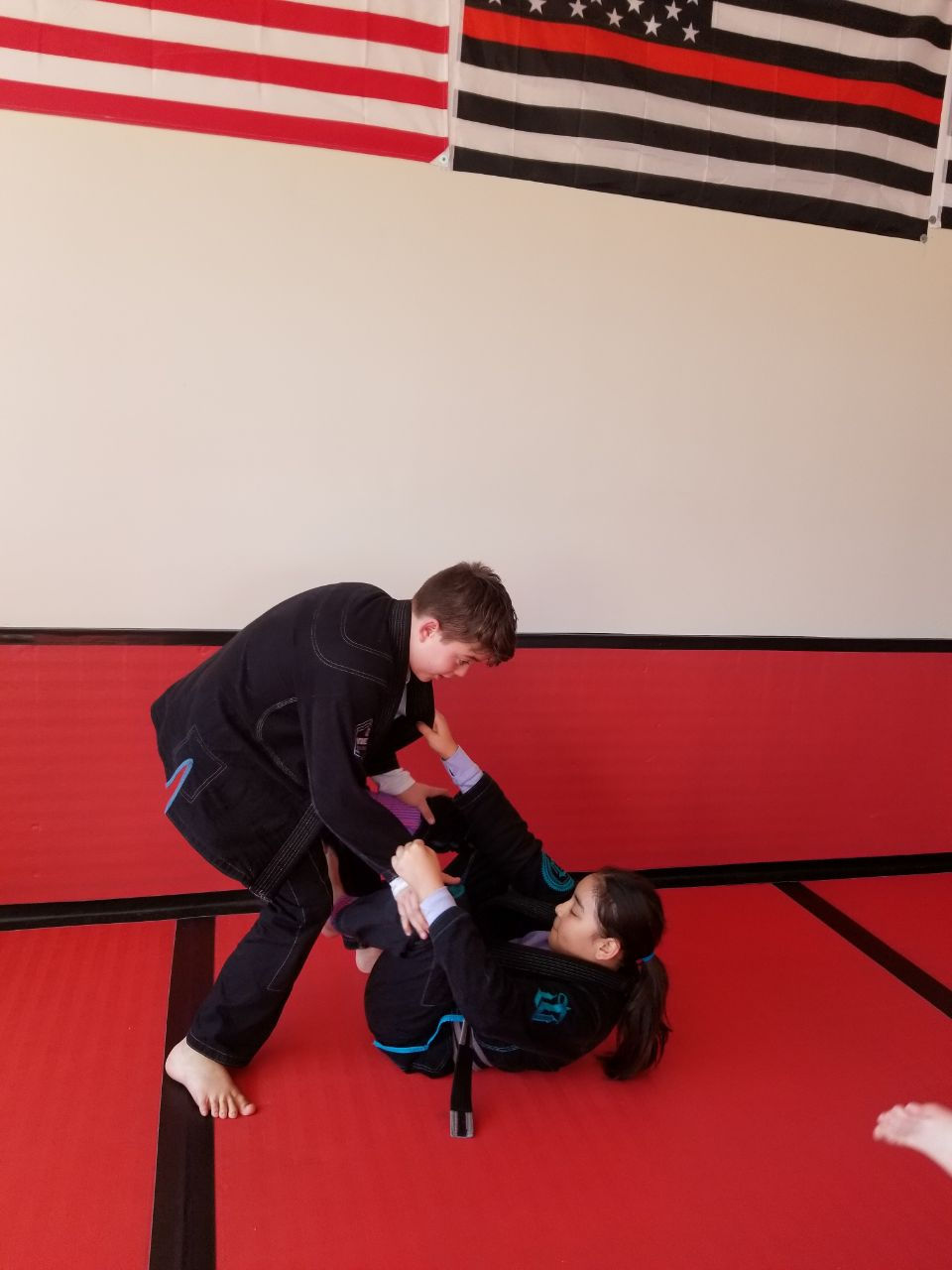
● BJJ Gi: The fit is snug and close to the body. The sleeves are narrower and tapered. The skirt, or the part of the jacket below the belt, is shorter. This tighter fit reduces the amount of loose fabric an opponent can grab. It also makes it harder for them to set up chokes and control grips.
● Judo Gi: The fit is much looser and baggier. The sleeves are wider and longer. The skirt is also longer. This extra fabric is not a drawback in Judo; it is part of the sport. Judo players use these large, loose grips to set up powerful throws. Without this extra fabric, many traditional Judo throws would be much harder to perform.
2.2 Weave and Material: Lightness vs. Durability
The fabric used to make each gi is different in both weight and weave pattern. Weight is measured in grams per square meter (GSM).
● BJJ Gi: These uniforms are generally lighter. The most common fabric is the Pearl Weave. It offers a great balance of being lightweight, breathable, and strong. A typical BJJ gi uses fabric around 450 GSM. This keeps the athlete cool and mobile during long ground-fighting sessions. Some BJJ gis use a Ripstop weave for the pants, which is light and resists tearing.
● Judo Gi: Judo uniforms are traditionally much heavier. They are often made from a double-weave or a thick single-weave fabric. Double-weave gis have almost twice the amount of fibers, making the jacket very thick, stiff, and heavy. These gis can weigh much more than BJJ gis. They are made to survive years of hard pulling and the impact of repeated throws.
2.3 Reinforcements and Stitching: Where the Gi Takes the Most Stress

Both uniforms need strong stitching, but they need it in different places.
● BJJ Gi: A BJJ uniform needs extra strength in areas that get lots of friction on the mats. The knees, cuffs, and shoulders get the most wear. Reinforced stitching in these areas stops the gi from coming apart during ground fighting.
● Judo Gi: These uniforms are strongly reinforced at the chest, shoulders, and knees as well. However, the focus is on surviving the high-impact force of being thrown to the ground over and over. The collar and lapels are also very thick and stiff for this reason.
For a modern example of proper BJJ reinforcement, look at the Elite Sports Core White BJJ Gi. Its product description highlights "contrasting and reinforced stitching in seams and other key areas for durability and added strength." This kind of build is what makes a BJJ gi ready for the rigors of daily rolling.
2.4 Collar Thickness: A Matter of Grip and Defense

The collar, or lapel, is a major gripping point in both sports. Yet, they are very different.
● BJJ Gi: The collar is thinner and more flexible. This makes it easier to use your own lapel to set up chokes, like the baseball bat choke or the loop choke. A thinner collar is also harder for an opponent to hold onto for a long time.
● Judo Gi: The collar is much thicker and stiffer. A thick collar is harder for an opponent to grab and crush. This makes choke defenses stronger in Judo. However, that same thickness makes it less useful for the kind of lapel-based attacks common in BJJ.
2.5 Sizing and Regulations
Do not assume that size A2 in Judo will be size A2 in BJJ.
● BJJ uses an alpha sizing system: A0, A1, A2, A3, and so on.
● Judo often uses numeric sizes by height: 170, 180, 190, and so on.
Competition rules add another layer. The IBJJF (International Brazilian Jiu-Jitsu Federation) has strict rules. A BJJ gi must have sleeves that end no more than 5 cm from the wrist. The pants must hit no more than 5 cm from the ankle. The uniform must be white, royal blue, or black. It must also weigh between 380 and 650 GSM.
The IJF (International Judo Federation) has its own strict rules. A Judo gi must allow four fingers to pass between the chest and jacket at belt level. The lapel side must be a certain width. Because of these tight rules, a BJJ gi will almost never pass a Judo competition inspection, and a Judo gi will fail a BJJ competition check.
3. Can You Wear a BJJ Gi for Judo? And Vice Versa?

This is the core question. Let's look at it from both sides.
3.1 Using a Judo Gi for BJJ Training
Yes, a Judo gi can be used for a few BJJ training sessions. For regular, long-term training, it is a bad idea.
Using a Judo gi in BJJ comes with some clear downsides:
● Too Much Fabric: The loose sleeves and long skirt give opponents huge handles for grips, making passes and submissions much easier for them.
● Heavy and Hot: Double-weave Judo gis are very heavy and hold heat. This leads to faster fatigue during long ground-rolling sessions.
● Poor Fit for Guard Work: The extra fabric can get tangled and caught when playing guards like De La Riva or Spider guard.
● Competition Illegality: A Judo gi will never pass an IBJJF equipment check. It will be rejected for its collar thickness, sleeve width, or fabric GSM.
The only real benefits are the gi's extreme durability and the fact that its thickness can sometimes tire an opponent's grip.
3.2 Using a BJJ Gi for Judo Training
A BJJ gi can be worn for Judo class, but there are risks. The main issue is safety. A BJJ gi is lighter, and its collar is thinner. During high-impact Judo throws, this uniform may not offer the same level of protection for the skin and shoulders as a reinforced Judo gi.
Furthermore, the tight fit of a BJJ gi makes it harder for a Judo player to get the deep, effective grips needed for many throws. The sport's rules demand a certain fit, and a BJJ gi will not meet those standards.
The Verdict: For a single trial class in either sport, it is possible to make do. For anyone training more than once or twice, a sport-specific gi is a must.
4. BJJ Gi vs. Sambo Kurtka vs. Karate Gi
To see how specialized BJJ gis are, it helps to compare them to two other martial arts uniforms.
4.1 Sambo Kurtka
Sambo is a grappling art from Russia. Its uniform, called a Kurtka, is very different from a BJJ gi.
● The Kurtka has shoulder loops or "wings" for better grip during throws.
● It fits tighter around the body than a BJJ gi.
● Sambo athletes wear shorts instead of long pants.
A BJJ gi is not a substitute for a Sambo Kurtka. The presence of pants and the lack of shoulder loops would change the feel of the sport entirely.
4.2 Karate Gi
A Karate gi, or Karategi, is built for striking, not grappling.
● Karate gis are much lighter and thinner than even the lightest BJJ gi.
● They have very little reinforcement because there is no gripping or throwing involved.
A Karate gi would be completely useless in BJJ. It would tear apart in a single training session under the stress of grips and pulls.
5. High-Performance BJJ Gis from a Top Manufacturer

When it is time to buy the right tool for the job, look for a brand that focuses on quality and performance. Elite Sports, the best BJJ gi manufacturer, builds its gear to meet the demands of modern BJJ.
Take the Elite Ultra-Light Pre-Shrunk White BJJ Gi with Free White Belt, for example. It is built with lightweight 450gsm Pearl Weave preshrunk fabric. This gives the durability needed for hard training without the heavy weight of a Judo gi.
The brand also offers a full range of BJJ gear, including rash guards and shorts for men, women, and kids. Their focus on durability, comfort, and smart design makes them a top choice for grapplers at any level.
The 360 Gameness Pearl Weave of their gis is another fine example of how the right cut and material can improve movement and performance on the mats. They have built a special preshrunk fabric that allows for machine washing and drying, removing a major headache for busy grapplers.
6. Picking the Right Gi for Cross-Training
Cross-training in Judo and BJJ is a powerful way to grow as a grappler. However, a single gi will not work well for both.

7. Conclusion: Specialization Wins on the Mat
The honest answer to the question "Can you wear one gi for both BJJ and Judo?" is no, not for serious, long-term training.
While the uniforms share a common ancestor, the needs of each sport have pulled them far apart. A Judo gi is heavy, loose, and built for high-impact throws. A BJJ gi is lighter, tighter, and built for the long, sweaty battles of ground fighting.
Using one for the other will only create frustration, put the athlete at a tactical disadvantage, or even cause a safety risk. For Karate or Sambo, the uniform differences are even more extreme.
It is worth investing in the right gear for the right job. Brands like Elite Sports, known as one of the best BJJ gear producers, make it easy to find a high-quality, durable BJJ gi ready for any challenge. Elite Sports also offers a wide range of equipment, making it a trusted source for all training needs.
Choosing a sport-specific gi is not about selling more products. It is about respecting the art, training smart, and performing at a personal best. Do not let the wrong gear hold back progress on the mats.











Comments